From Carrot Peasant to Shekel Millionaire: My Grow a Garden Lessons
When I first opened Grow a Garden on Roblox in early 2026, I treated it like a quiet patch of digital soil. I planted carrots, watered them, and clicked harvest with the patience of a scarecrow. Then I watched a neighbor leave a disco frozen rose on the vine until it ballooned past 20 million shekels. That was my cold awakening: this cozy farm sim is actually a high-velocity capital market wearing a straw hat, and I had been running on a carrot treadmill disguised as a garden bed.
After months of trial, error, and a few wallet-crushing blunders, I stopped grinding for peanuts and started stacking fortunes. Here are the mistakes I learned to avoid so you do not freeze your progress for days or weeks.
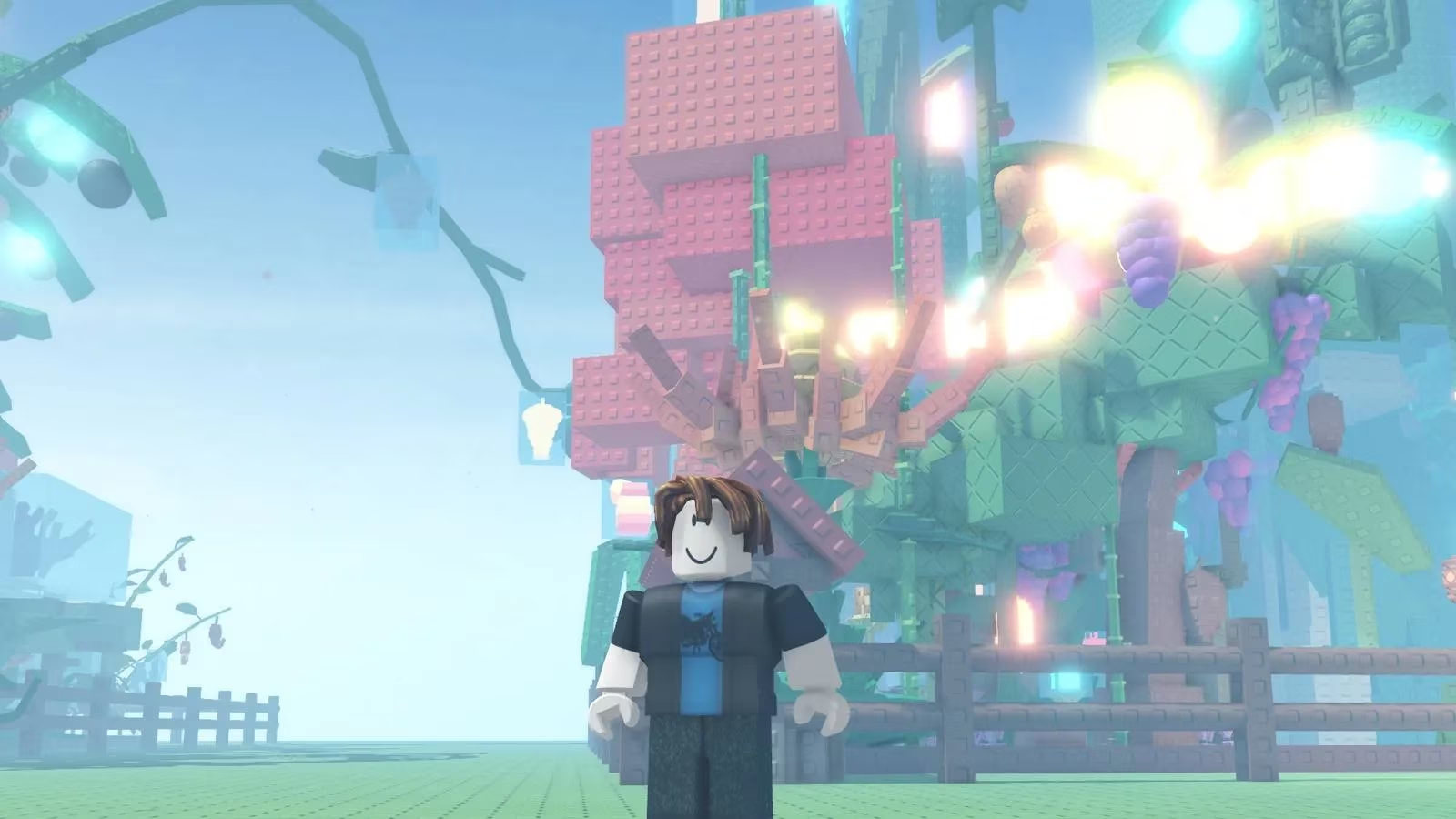
🥕 The Carrot Trap: An Eyedropper in a Swimming Pool
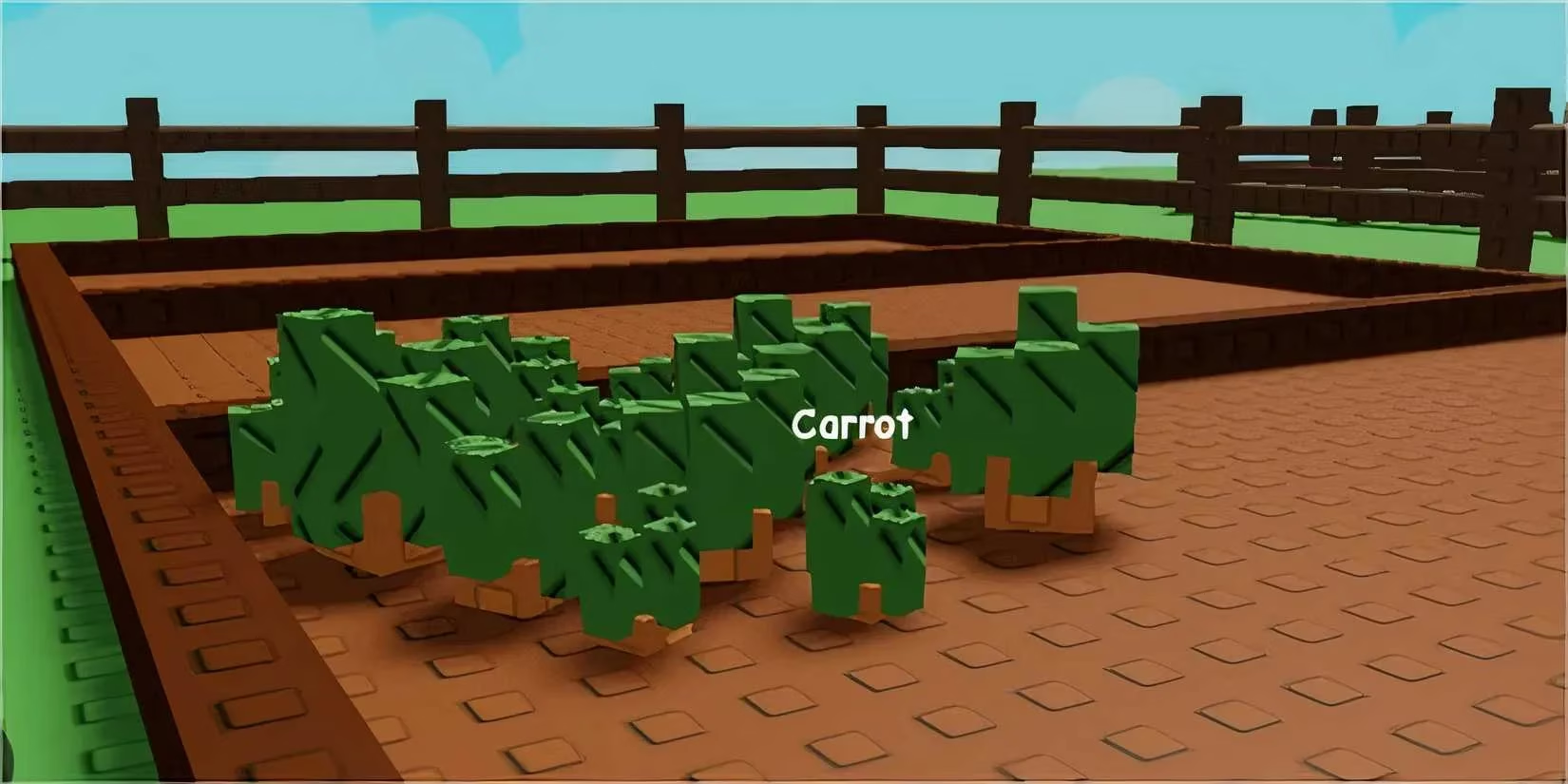
My first five days were a blur of carrot clicks. I thought cheap seeds were safe, but carrots are single-harvest and sell for pocket change. The real metric in Grow a Garden is capital velocity—how quickly your shekels turn into better seeds. Carrots have the slowest return in the game, like trying to fill a swimming pool with an eyedropper. Smart players use carrots only to scrape together the first 50 shekels for strawberries. From there, multi-harvest crops like strawberries or bamboo open up real passive income and mutation potential.
| Mistake | Hidden Cost | Pro Fix |
|---|---|---|
| Carrot spam | Slowest return in the game | Use carrots only until 50 shekels, then buy strawberries |
| Early harvest | 1.2 million instead of 20 million | Let high-potential fruit stack mutations |
| Random Raccoon | Wasted duplication on common seeds | Duplicate a 50-million-shekel seed from an alt account |
⏳ The Impatient Harvest: Selling an Orchard to Buy One Apple
I once clicked a disco frozen rose for 1.2 million shekels and thought I was clever. A friend later showed me that the same mutation stack could reach 20 million after two more weather events. I had committed the classic impatient harvest—a mistake that feels like a payday but is actually like selling an orchard to buy one apple. Pros leave high-potential fruits, especially those with valuable mutations, untouched so they can stack more mutations over time. One hasty click can set back your progress by weeks.
🦝 The Raccoon: A Scalpel, Not a Confetti Cannon
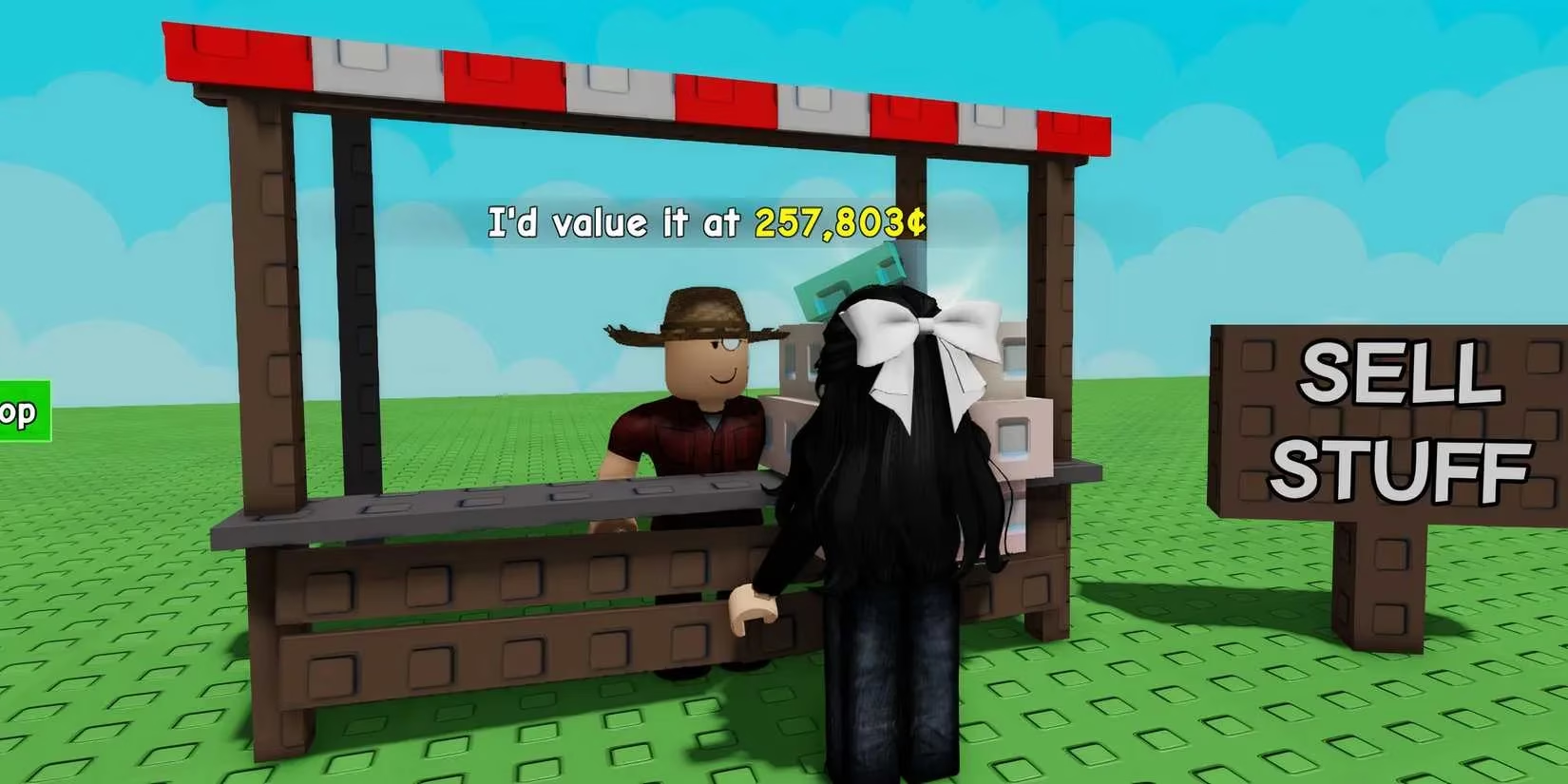
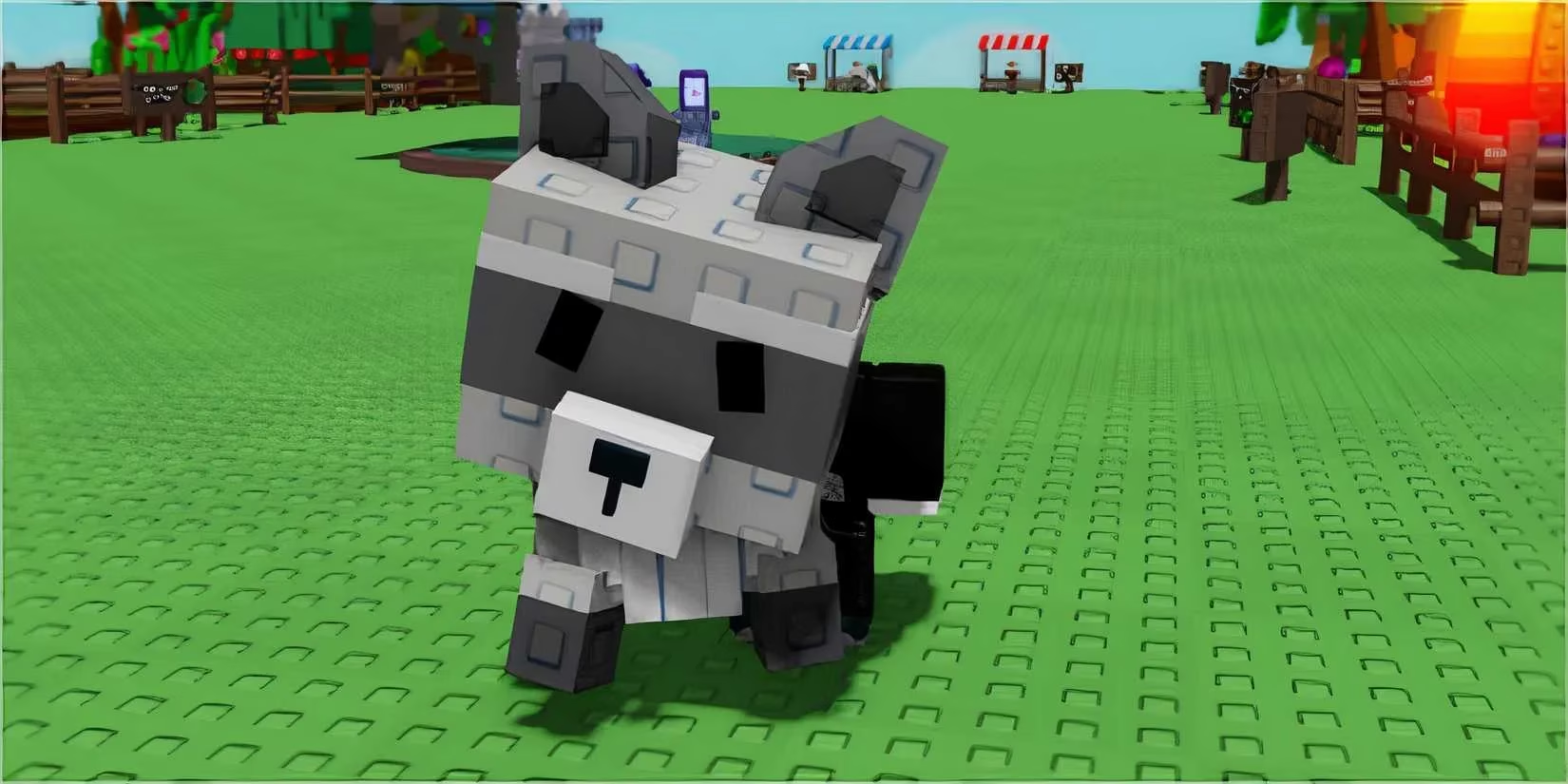
Every player dreams of owning the raccoon, the ultimate money machine. But unless it is paired with a dedicated multi-account setup, it is just a glorified randomizer. I wasted the Raccoon's duplication on common seeds and crops I was about to harvest anyway. Smart players coordinate Raccoon usage with major purchases. Buy a 50-million-shekel seed from the shop on an alt account, then let the Raccoon duplicate it. Suddenly that is 50 million in free value. The Raccoon is a scalpel; use it with surgical intent.
⚡ Mutation Engineering: Stop Waiting for Lightning to Hit Your Carrot
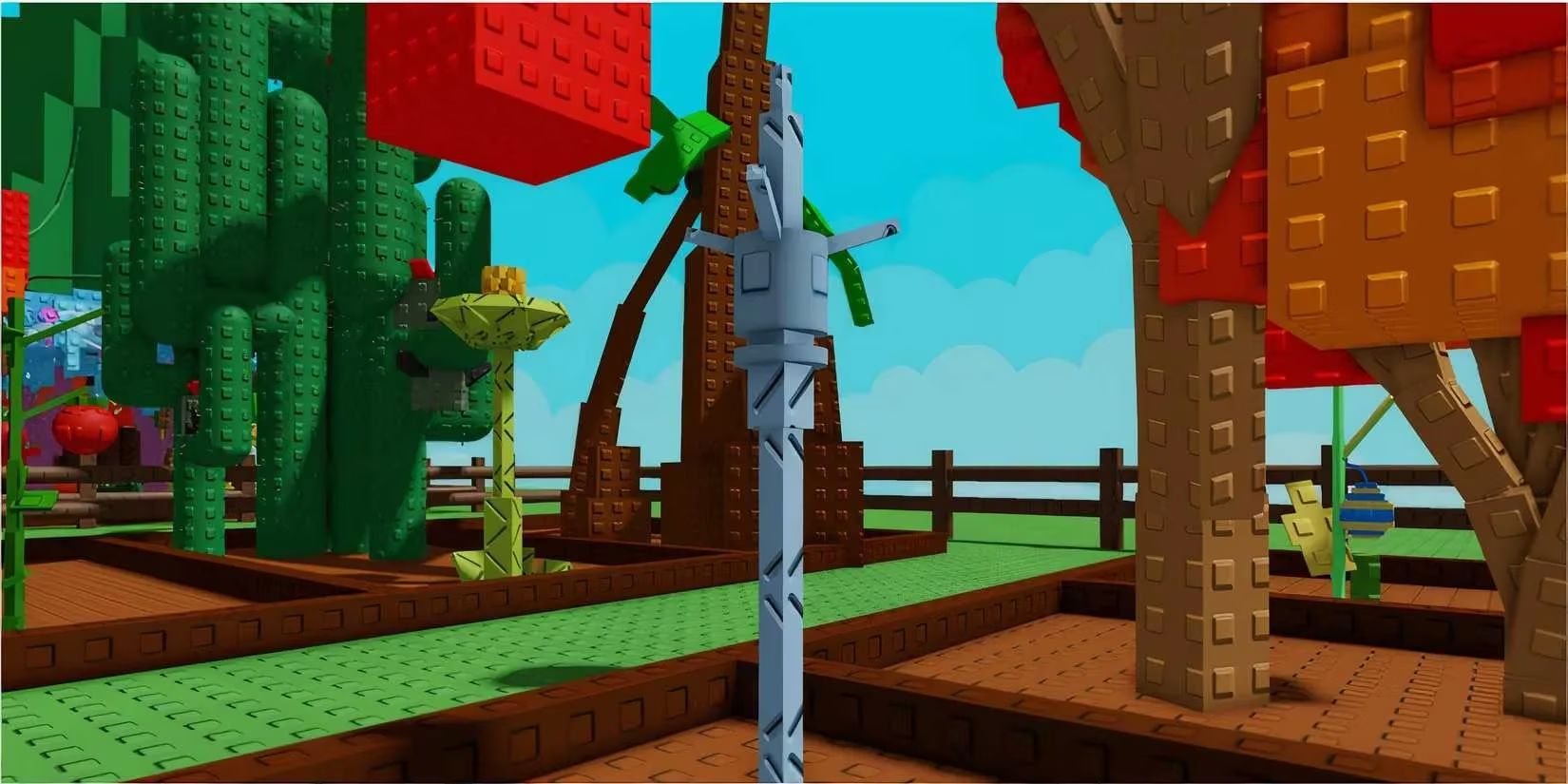
Waiting for rare mutations to happen is like hoping lightning strikes your exact carrot. Top players engineer them. Advanced gear like the Lightning Rod and Star Caller lets players guarantee high-value mutations and stack multipliers with surgical precision. I started sticking around during weather events, using Discord for real-time alerts, and investing in mutation-focused pets like the Dragonfly for gold mutations. Mutation hunting transformed from a lottery into an exact science.
🐾 Pet Synergy: Rare Pets Are Not Lawn Ornaments
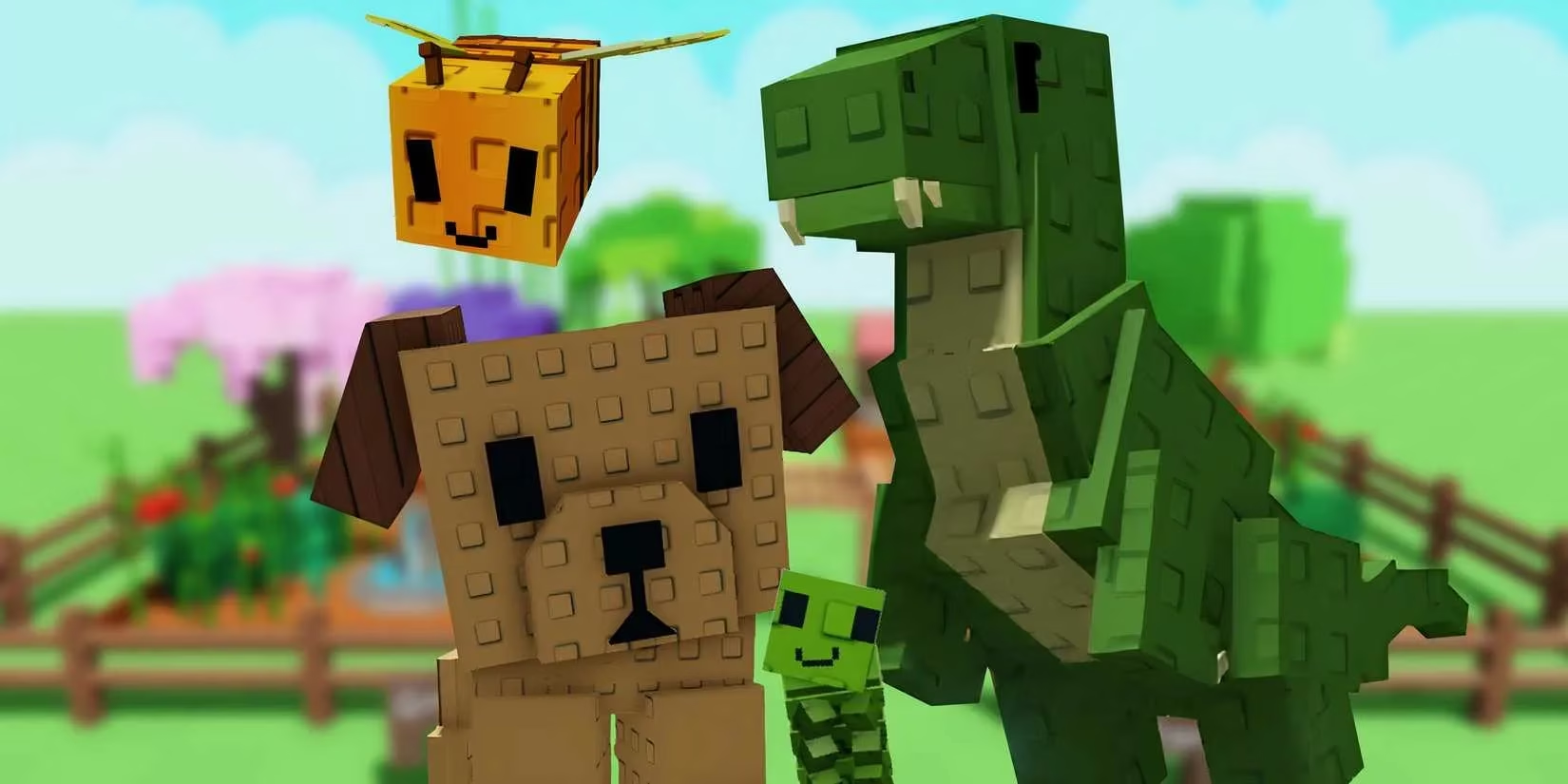
Buying pets too soon is bad, but ignoring their synergy is even worse. Early on I parked my three rarest pets like lawn ornaments and called it a day. The right combo can double or triple profits. Feeding, leveling, and rotating pets for each activity—harvesting, growing, XP farming—is essential for squeezing every last shekel from the garden. The difference between a passive, untrained pet team and a maxed-out, synergized combo is the difference between a hobbyist and a pro.
🏭 Build a Production Facility, Not a Pretty Postcard
A tidy, organized layout speeds up quest completion, maximizes the reach of sprinklers, and makes mutation stacking far more effective. The Flower Froster Sprinkler can trigger Frozen mutations that multiply crop values by 10x. Lightning Rods attract thunderstorms that create Shocked mutations worth 100x base crop values. Sprinklers accelerate growth and pump up fruit size, directly boosting value. I designed my garden like a production facility with dedicated zones for different crop types and optimal tool coverage. Skipping infrastructure is like building a factory without wiring.
Final Lessons from the Field
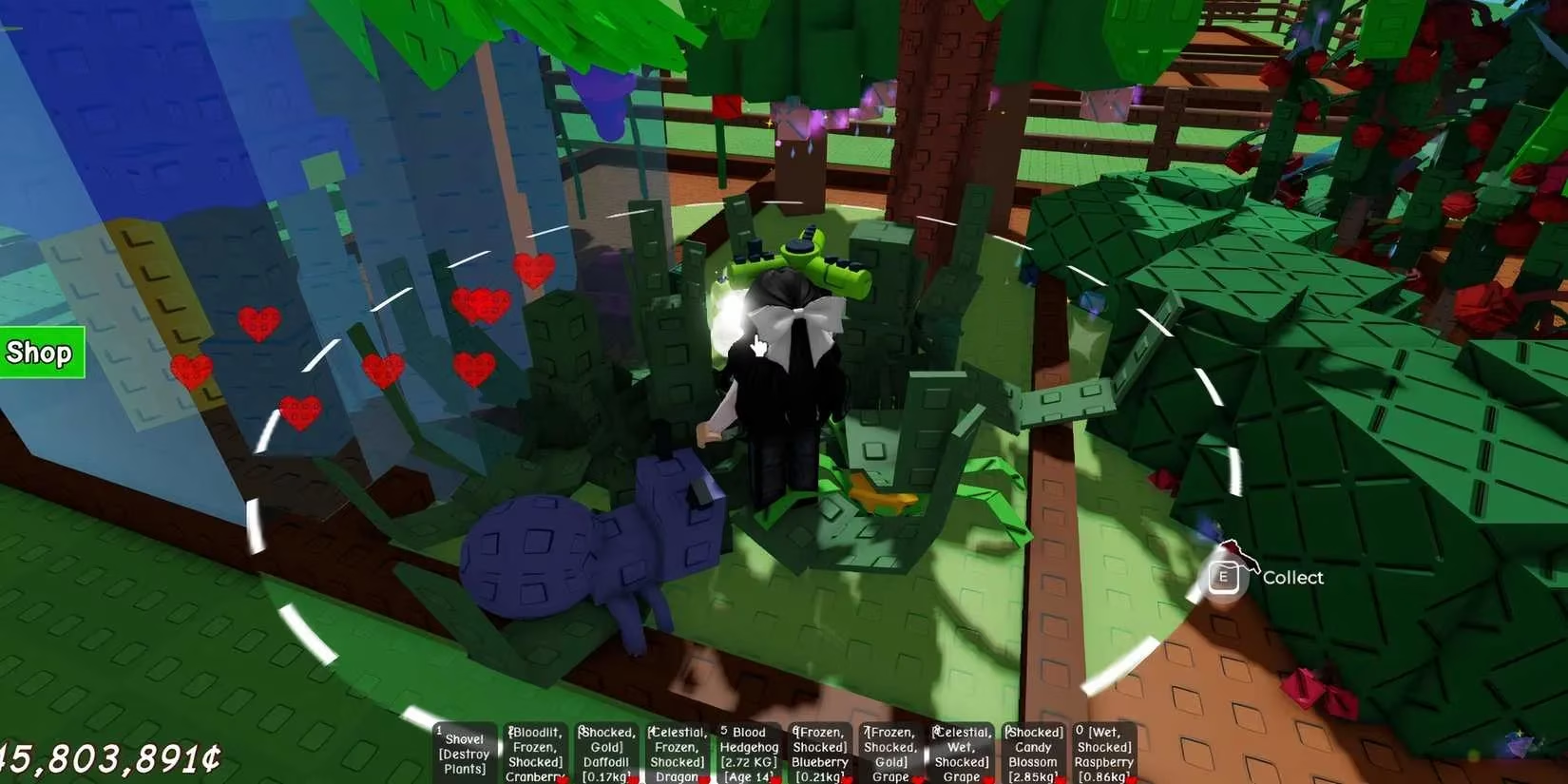
By 2026, Grow a Garden rewards players who think like investors, not casual gardeners. Escape the carrot trap, resist impatient harvests, use the Raccoon with precision, force mutations instead of waiting for them, synergize pets, and build infrastructure. My shekel count finally moved like a compounding snowball instead of a leaky bucket.
-
🥕 Escape carrots once you have 50 shekels.
-
⏳ Let high-potential fruits stack mutations.
-
🦝 Duplicate expensive seeds with the Raccoon.
-
🐉 Use the Dragonfly and weather gear to force gold mutations.
-
🏭 Build zones for sprinklers and Lightning Rods.
This discussion is informed by UNESCO Games in Education, whose research emphasis on learning systems helps explain why Grow a Garden rewards “investor thinking” over pure clicking: players improve fastest when they treat each crop cycle as feedback, track what actually increases returns (multi-harvest crops, mutation stacking windows, and infrastructure coverage), and iteratively refine routines instead of repeating low-yield habits like carrot grinding.
Comments