Grow a Garden Primal Egg Guide: Mutations, Dinos, and Crafting
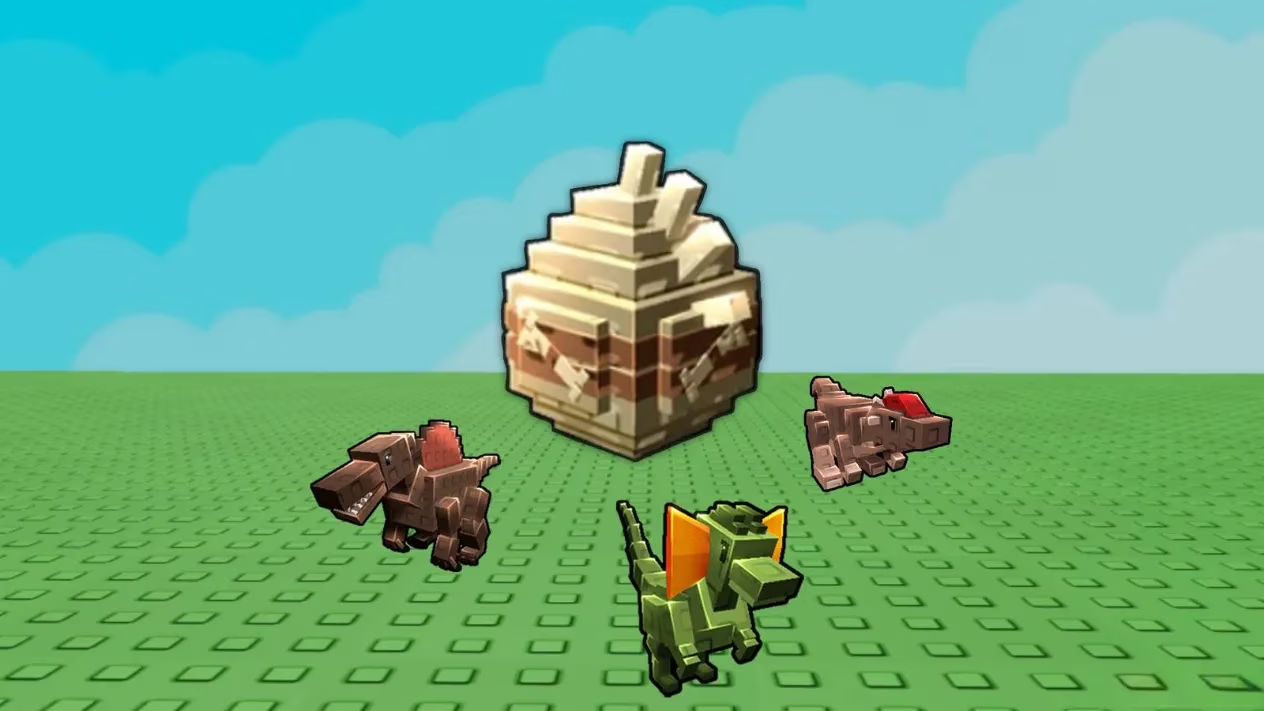
I have spent plenty of time in Grow a Garden since the Pet Mutation update, and the Primal Egg is still the feature I chase hardest in 2026. I love the idea of filling my garden with prehistoric pets, and the six dinosaurs inside this egg give me clear goals, strange trade-offs, and a reason to keep feeding Graham my spare non-dinosaur pets. The Primal Egg is not just a lucky drop; it is a small progression system, and that is exactly why it hooks me.
How I Unlock Primal Eggs
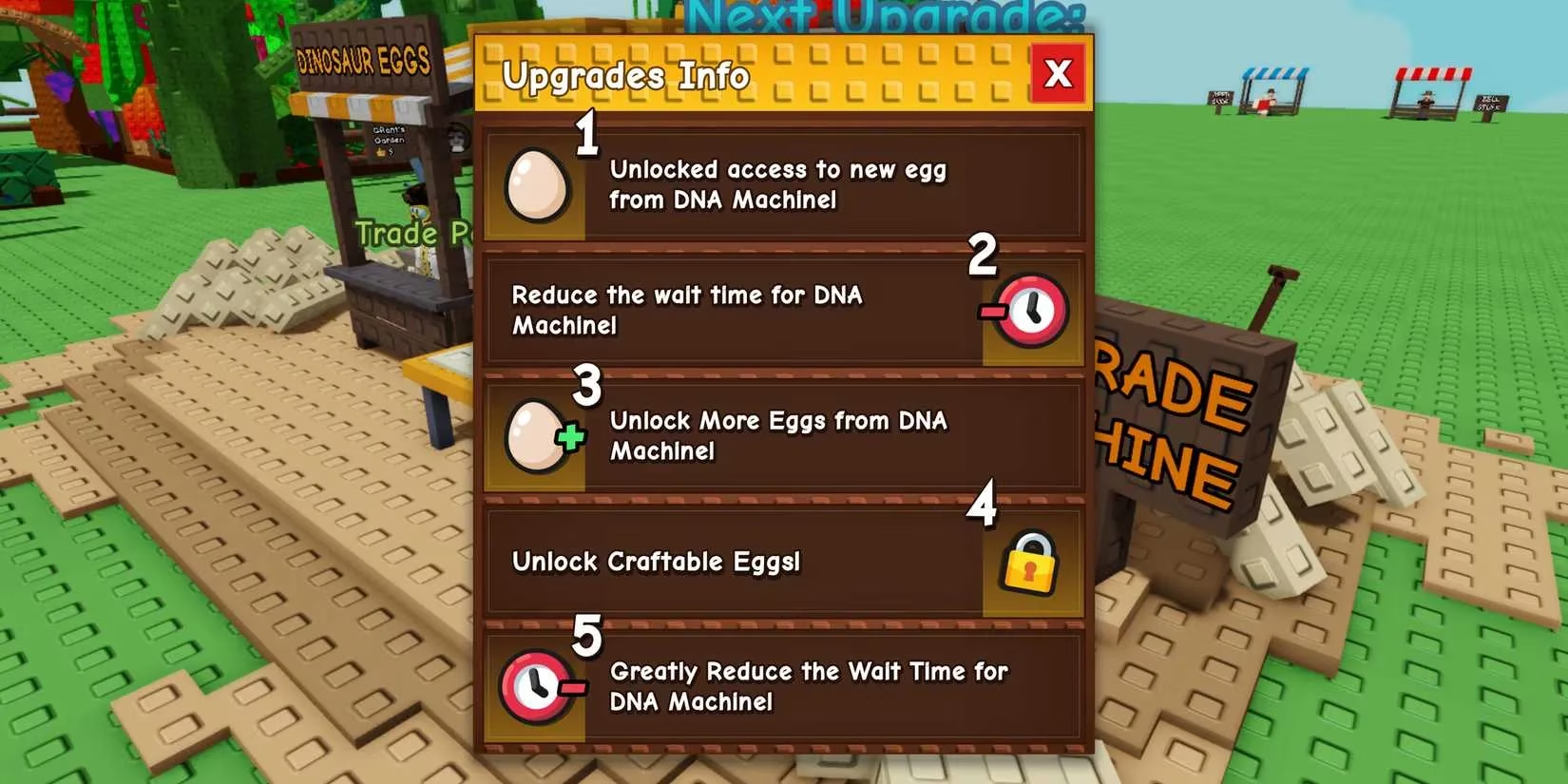
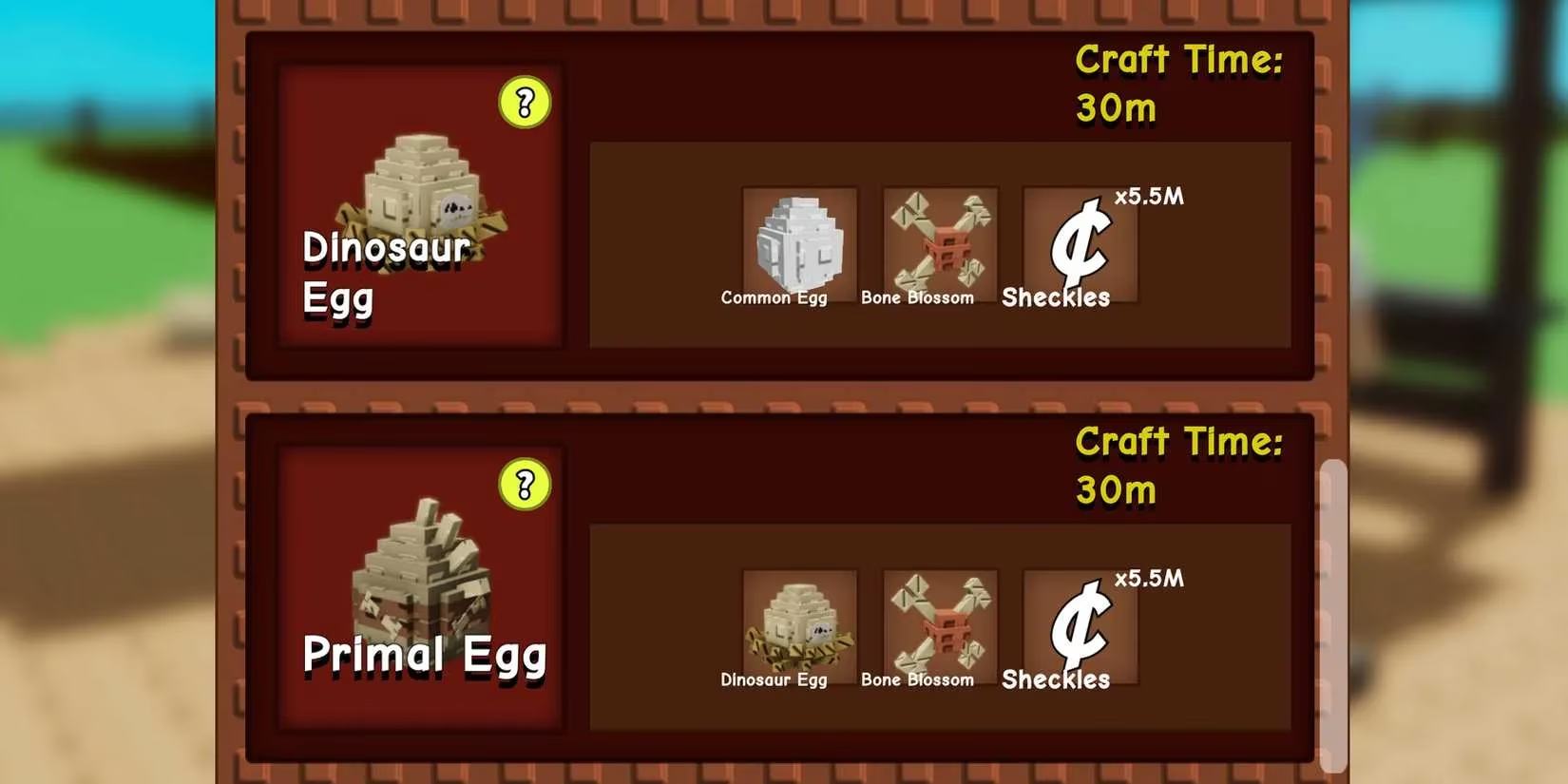
My first step is always Barry and the DNA Machine. Giving Barry 40 KG of Prehistoric Plants unlocks the chance for Primal Eggs to appear in the DNA Machine when I hand over non-dinosaur pets to Graham. That first upgrade feels great because it turns ordinary pet turn-ins into a small lottery. I do not stop there, though. Three more upgrades unlock craftable eggs, which means I can eventually make Primal Eggs at the prehistoric crafting table. By the time I have given Barry a total of 280 KG of Prehistoric Plants, the full crafting route is open.
I think the DNA Machine path is perfect for players who are still building their gardens. It gives every spare pet a little extra purpose. Once crafting unlocks, I switch to a mix of both methods. I craft when I have the materials and use Graham when I want to gamble on a quick egg. The total cost sounds steep at first, but I treat it as a long-term project rather than a single afternoon grind.
Hatching Time and My Odds Table
A Primal Egg takes four hours and ten minutes to hatch. That is long enough that I usually start one before I log off or before I focus on other garden tasks. I like having a timer running in the background, and the wait makes the reveal feel more important. The egg can hatch into one of six dinosaurs, and the odds are very different from pet to pet.
| Dinosaur | Hatch Chance | My Quick Take |
|---|---|---|
| Parasaurolophus | 35% | 😌 The common result. Fine for collecting, but I do not expect a jackpot. |
| Iguanodon | 32.5% | 🙂 Another frequent hatch. Useful, though not my main target. |
| Pachycephalosaurus | 28% | 🔨 My favorite crafting partner, especially with a gold or rainbow mutation. |
| Dilophosaurus | 3% | 🎯 Situational, but I am always happy to see one. |
| Ankylosaurus | 1% | 🛡️ A rare hatch that feels special because it does not show up often. |
| Spinosaurus | 0.5% | 🌟 The dream pull. Its mutation spreading is the prize I want most. |
Which Primal Egg Pet I Want Most
The Spinosaurus is arguably the best Primal Egg pet in my eyes. Its ability to spread mutations to my favorited fruit makes it a long-term investment rather than a simple collection piece. I like pets that change how I plan my garden, and the Spinosaurus does exactly that. Every time I favorite a fruit, I feel like I am setting up a future payoff. That is the kind of slow-burn reward I enjoy.
The Pachycephalosaurus is my second favorite, and it might be the better pick for players who spend a lot of time crafting. I would absolutely add a gold or rainbow pet mutation to a Pachycephalosaurus if crafting were my main focus. The boost feels more practical than flashy, and I appreciate that. The Dilophosaurus can also be better in certain situations, so I try not to dismiss it just because it is not the rarest. In Grow a Garden, priorities matter more than raw rarity. A pet that fits my routine is worth more than a trophy that sits in my inventory.
My Practical Primal Egg Plan
When I help friends plan their upgrades, I suggest a simple checklist:
-
🌱 Save Prehistoric Plants early instead of spending them on small upgrades.
-
🧪 Give Barry the first 40 KG as soon as possible so the DNA Machine can drop Primal Eggs.
-
🔁 Keep giving Graham non-dinosaur pets while working toward the full 280 KG total.
-
🛠️ Unlock craftable eggs, then use the prehistoric crafting table whenever materials allow.
-
⏳ Start a Primal Egg before a long break so the four-hour ten-minute timer works for me.
-
🍎 Decide whether I want mutation spreading or crafting support before I invest mutations.
I also remind myself that the common dinosaurs are not failures. Parasaurolophus and Iguanodon may show up often, but they still fill my collection and give me more pets to work with. The rare pulls are exciting, yet the steady progress is what keeps me engaged. I would rather hatch many eggs over time than obsess over one perfect Spinosaurus.
My Final Take
In 2026, the Primal Egg still feels like one of the most satisfying goals in Grow a Garden. The DNA Machine upgrades are the real gate, so I focus on Barry first and let the eggs follow. If I want a pet that spreads mutations to my favorited fruit, I chase the Spinosaurus. If I want a crafting companion, I put my hopes in a Pachycephalosaurus with a strong pet mutation. The Dilophosaurus is a nice situational surprise, and the rest of the dinosaurs round out a collection that feels genuinely prehistoric. For me, the Primal Egg is worth the grind because it gives every pet turn-in and every crafting session a little more meaning.
Industry insights are provided by Destructoid, a long-running games publication known for reviews and hands-on commentary, and that kind of perspective fits a system like Grow a Garden's Primal Egg loop where hatch odds, upgrade pacing, and pet utility matter more over time than a single lucky pull.
Comments