Steal A Brainrot Private Servers in 2026: Safer Grinding, Trading, and Host Rules
Roblox's Steal A Brainrot has turned base defense into a full-contact sport. Rare characters are the prize, but every public lobby is a wild west of grab-and-run tactics, last-second steals, and players who will absolutely swipe a brainrot while someone is AFK. As of 2026, private servers remain the go-to escape hatch for players who want calmer grinding, safer trades, and a little breathing room. The catch? Access is fluid, hosts come and go, and the private-server scene is not a magic bullet. This news-style breakdown covers how these servers work, why players chase them, and what to watch out for in the current Roblox climate.
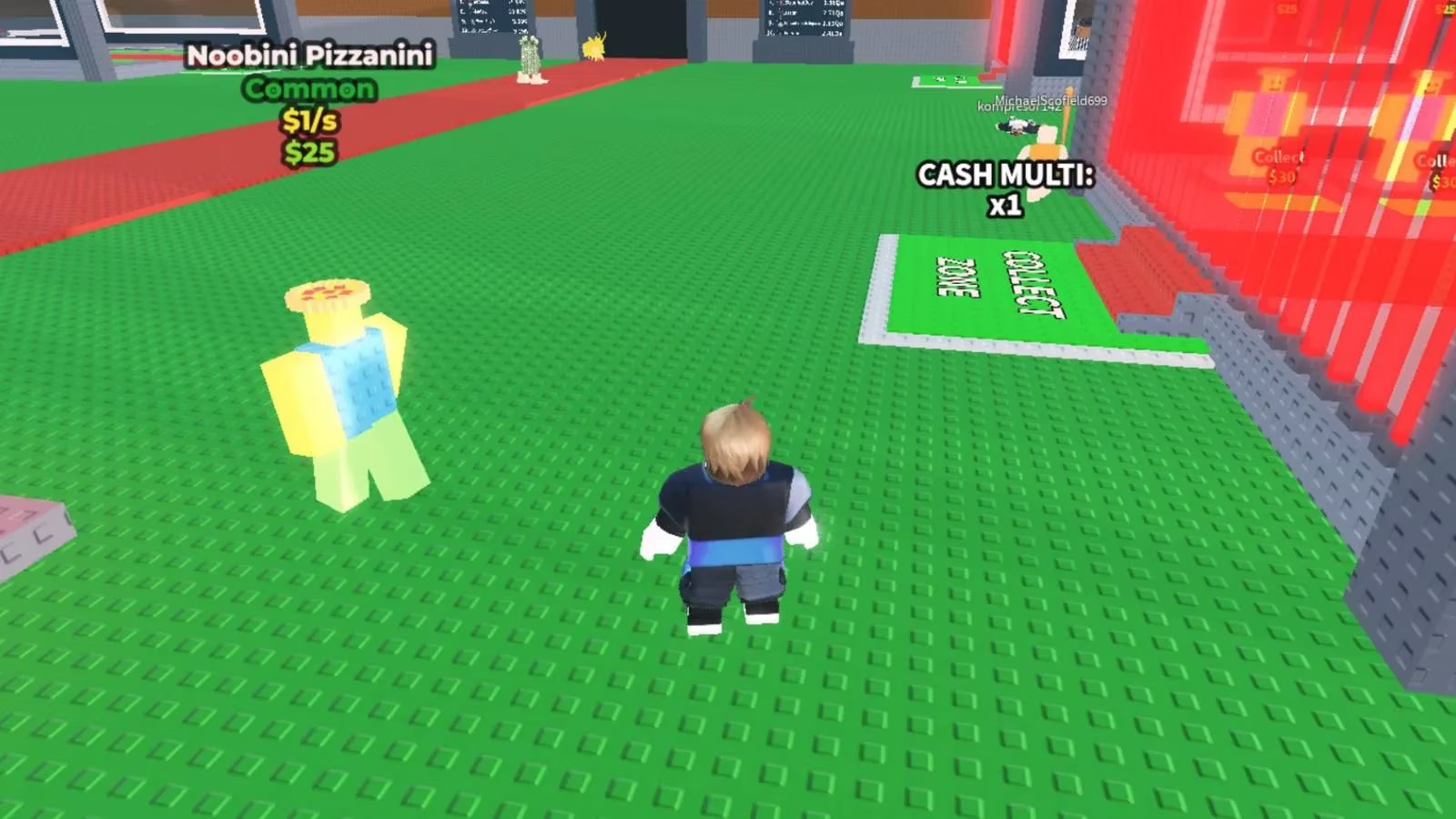
Why Private Servers Still Matter
The core loop in Steal A Brainrot is simple: collect brainrots, guard them, and try to poach better ones from rivals. That competition is fun, but it also means collecting a full set can take days. A private server flips the script. Players can grind alone or with friends without worrying that a random visitor will clean out their base. It is especially useful for players who want to test strategies, organize inventories, or simply enjoy the game without constant pressure.
Private servers also serve as a makeshift trading floor. Steal A Brainrot does not have a built-in trading system, so players often use private spaces to exchange characters through controlled steals. That setup is far from official, and scammers are always lurking, but a private server lowers the risk of a third party crashing the party. In 2026, this remains one of the biggest reasons players shell out Robux or hunt for shared invites.
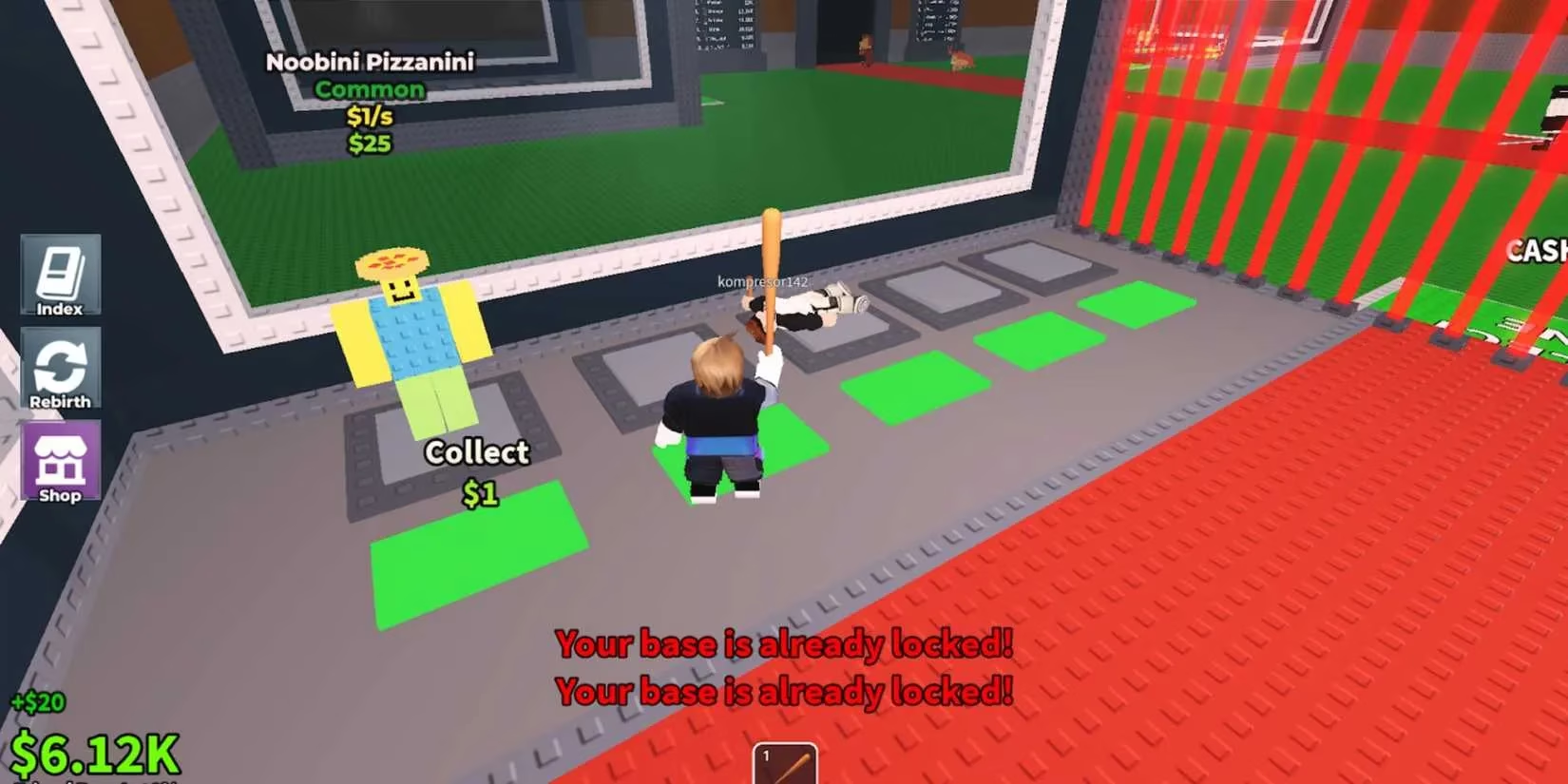
How Private Servers Work
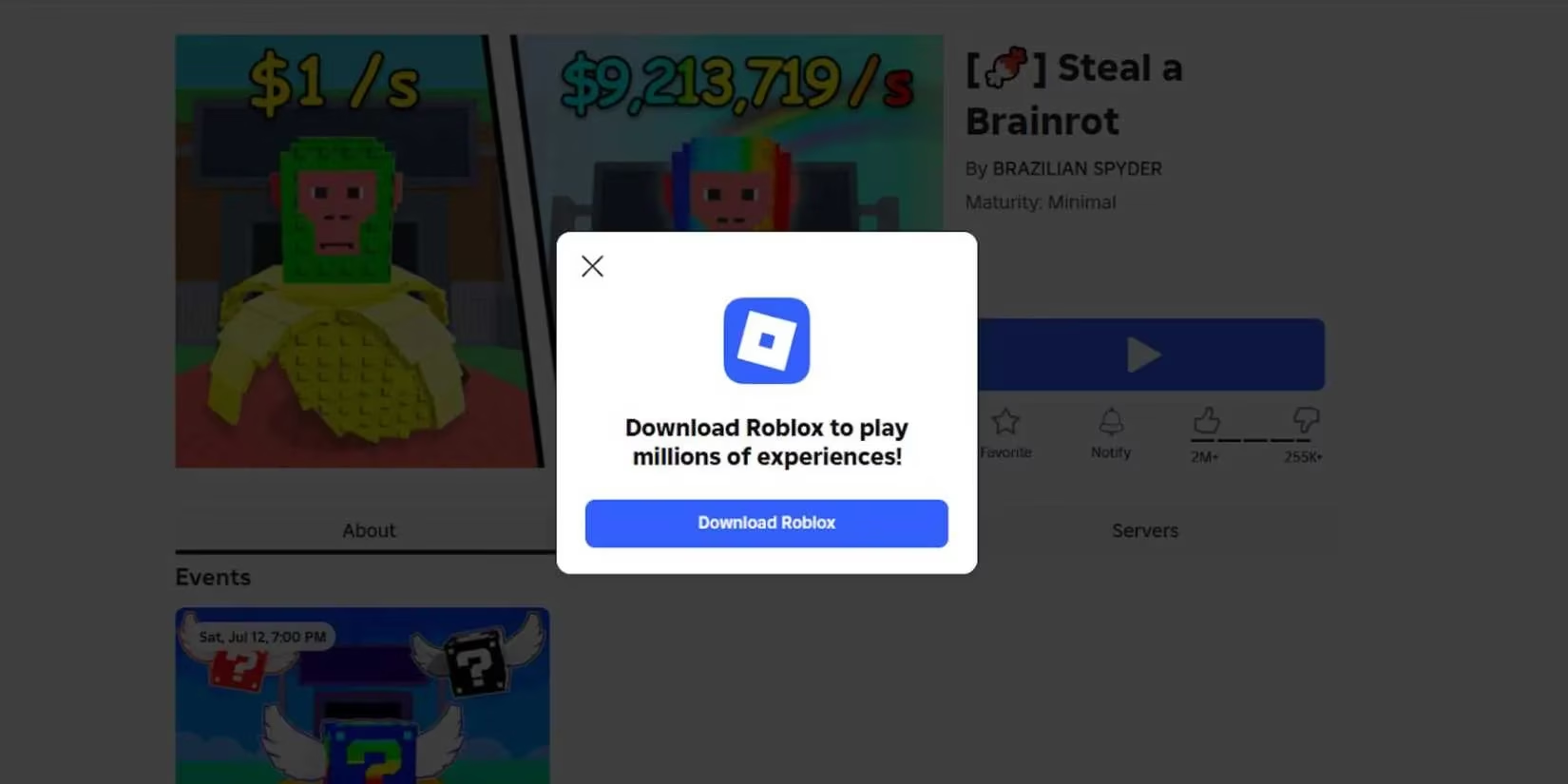
Roblox private servers in Steal A Brainrot behave like private servers in most other experiences. A host pays for the server, then shares an invite with friends or the wider community. When a player follows an invite, Roblox opens the game page and prompts the Roblox app. After confirming, the experience launches on the selected server. Reconnecting later is usually a matter of using the same invite or finding the server in the game page's Servers section.
That part is no sweat. The real friction comes from availability. Public invites are not permanent, and many private servers stop being active after a while. A list that looked healthy in late 2025 may be a ghost town in 2026. Players who bookmark public roundups should expect churn. The game's official Discord channel is also a common watering hole for hosts and traders, but even there, invites can vanish without warning.
Public Lobby vs. Private Server
| Factor | Public Server | Private Server |
|---|---|---|
| Stealing risk | High and constant | Low, unless the host allows chaos |
| Rare collection grind | Slow and stressful | Calmer and more controlled |
| Trading | Risky, crowded, scam-heavy | Easier to arrange, but still not official |
| Cost | Free | Host pays Robux |
| Rules | Standard Roblox moderation | Host rules and possible kicks |
| Availability | Always active | Invites rotate and can expire |
Private servers are not a free lunch. Someone has to pay, and that host usually gets to call the shots. Many hosts set rules about stealing, trading, spawn camping, or chat behavior. Break those rules and a kick is fair game. Players who treat a private server like their own personal playground may find themselves back in the public wild west faster than expected.
The Trading Scene Is Still Risky
Trading in Steal A Brainrot is a workaround, not a polished feature. Since the game lacks an official trade window, players rely on trust and choreography. A private server gives both sides room to breathe, but it does not erase scams. Fake deals, bait-and-switch steals, and players who vanish after getting what they want are still part of the scene. The smart play is to use a host with clear rules, keep trades small at first, and avoid anyone who rushes the process.
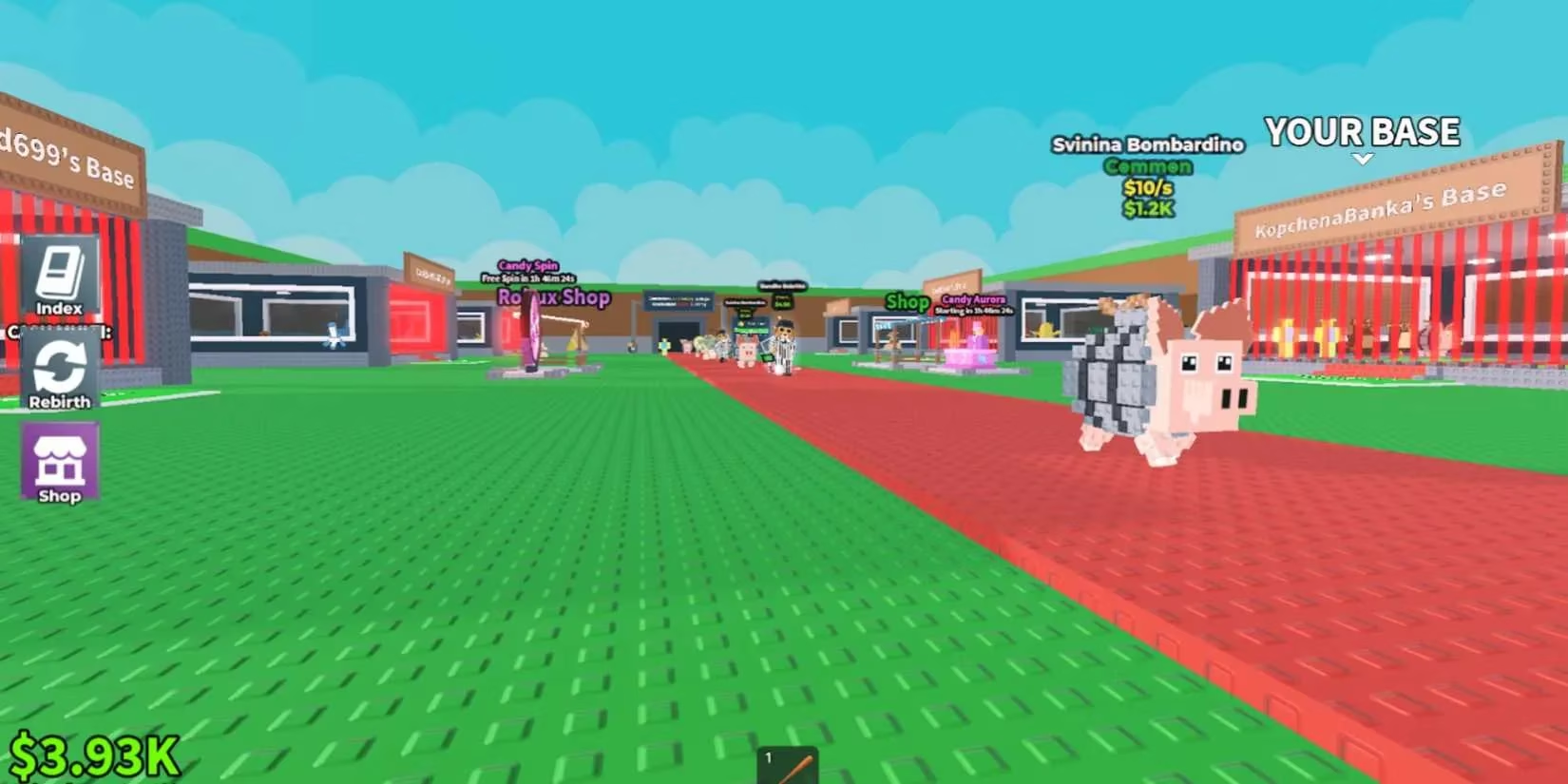
Host Rules and Admin Abuse Events
One of the stranger perks of private servers is the host culture. Some hosts run quiet grinding sessions. Others lean into admin abuse events, spawning chaos, boosting characters, or turning the server into a mini party. That can be a blast, but it also means the experience varies wildly from server to server. Players should read the room, follow posted rules, and not assume every private server is a silent farming zone.
Hosts can also kick players for rule-breaking, which is fair enough. The downside is that access can feel arbitrary. A server that fits a player's schedule one week may be gone the next. That is why veteran players keep a short list of reliable hosts, ask in official community spaces, and avoid relying on a single invite. In 2026, flexibility is the name of the game.
Quick Etiquette Checklist
-
✅ Ask before trading or stealing, even on a private server.
-
✅ Follow host rules and do not beg for admin powers.
-
✅ Keep rare brainrots guarded during trades.
-
✅ Avoid rushed deals and suspicious middlemen.
-
✅ Expect invites to expire; have a backup plan.
-
✅ Use official community channels for host recommendations.
The Bottom Line
Private servers are still one of the best ways to enjoy Steal A Brainrot without constant chaos. They are not official trading hubs, they are not always free, and they are not permanent. But for players who want to grind rare characters, organize trades, or simply play with friends in peace, a good private server is worth its weight in Robux. The scene moves fast, hosts rotate, and public invites come and go. Players who stay flexible, follow the rules, and keep their guard up will get the most out of the private-server life in 2026.
Recent trends are highlighted by OpenCritic, whose review aggregation model helps frame why players increasingly value controlled play spaces when a game's core appeal revolves around competition, risk, and unpredictable social interactions. In the context of Steal A Brainrot, that broader lens supports the idea that private servers are popular not because they remove tension entirely, but because they let players manage how and when that tension appears during grinding, collecting, and trust-based exchanges.
Comments